The neighbourhood noticing walk
Turn a familiar route into a little adventure by looking for shapes, sounds, and small surprises.
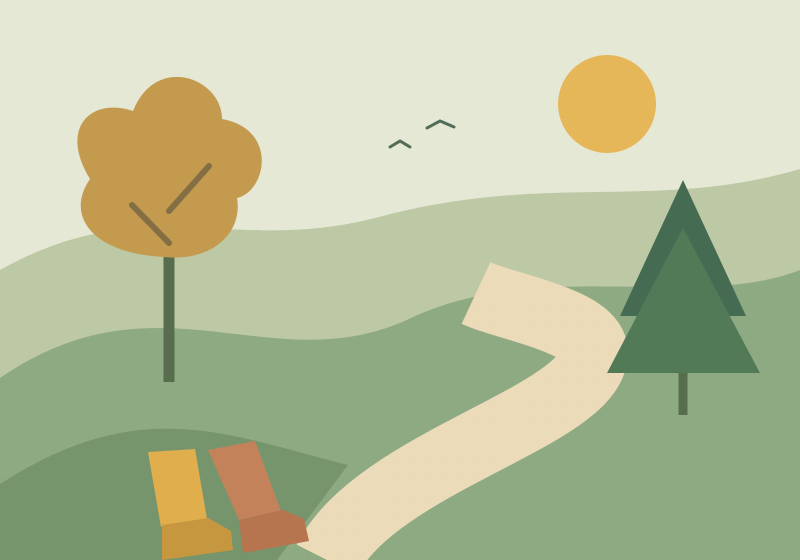
Choose your version of outside
You do not need a new destination to notice something new. A familiar pavement, an accessible route near home, a courtyard, or a view from a window can be enough for this activity.
Pick a place that suits your family’s mobility, energy, and comfort. Check local conditions before heading out, dress for the weather where you are, and choose a route with safe crossings. An adult should supervise children and decide where it is appropriate to stop.
If staying in is the better choice, the same prompts work from a window. You can describe what you remember from a familiar route instead of going out at all.
Pick just three things to notice
Try one colour, one shape, and one sound. A yellow door, a circular sign, and a bird call might be your first discoveries. Nothing needs to be rare or impressive.
Take turns choosing a prompt. “Something smaller than my hand” or “a pattern that repeats” can lead to entirely different observations on the same route. Look without touching plants, wildlife, or other people’s belongings.
A ready-to-use noticing list
- A colour you would put in a painting.
- A shape that appears in two different places.
- Something that moves, even a little.
- A small detail you have passed before without seeing.
Let people notice in different ways
Some people enjoy naming everything. Others would rather point, draw, listen, or simply look. There is no requirement to collect the same number of discoveries or to explain them out loud.
For someone who prefers a clear endpoint, choose a small boundary before you begin: one bench, one corner, or a single view. For someone who enjoys a puzzle, describe a detail and ask the others to spot it.
Keep attention on your surroundings when moving. Save notes, drawings, or device use for a safe stopping place, and avoid photographing identifiable people without their permission.
Bring home a thought, not a collection
Leave leaves, stones, flowers, and other natural objects where they are unless you know collecting is allowed and appropriate. A description or drawing is enough to remember a discovery.
Back at home, each person can add one mark to a shared page. It might be a colour swatch, a few words, or a shape. Put the date on it if you would like to compare your view another time.
Repeat the ordinary route
Try the same activity on another day. The interesting part is not travelling farther; it is having a reason to look again. A change in light, a new sound, or a different colour may be all you notice.
Make the activity as short as it needs to be. A few minutes of shared attention counts. And if the day turns wet or windy, there is always a good day for staying in .